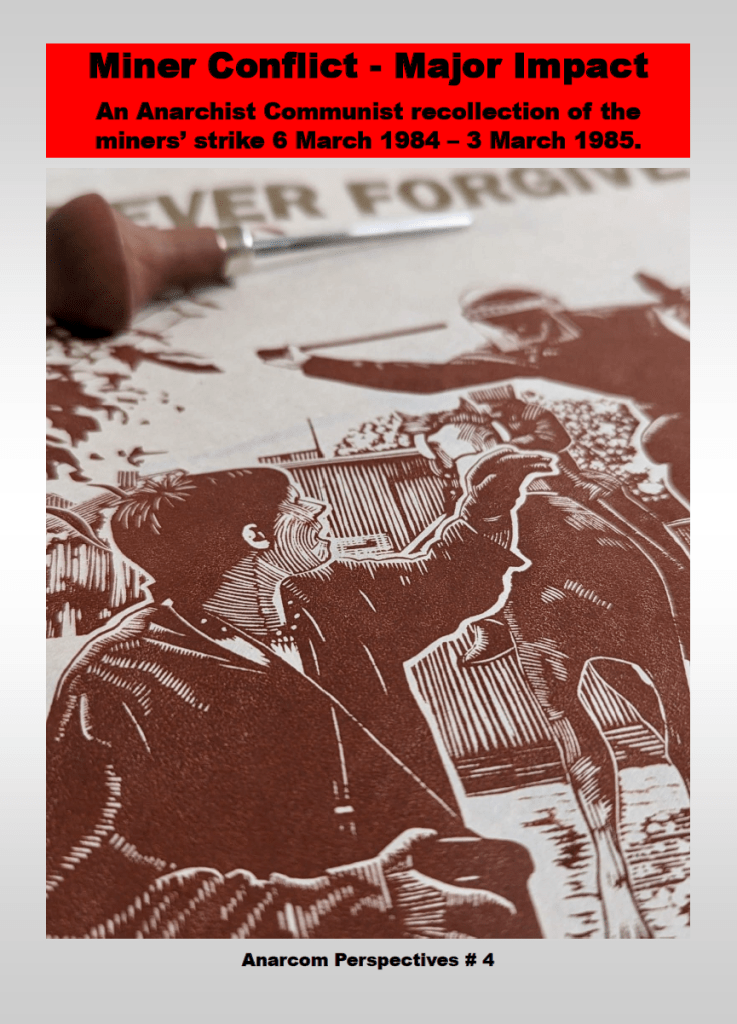
Miner Conflict – Major Impact : an Anarchist Communist perspective on the Miners’ Strike 1984-85 by Dreyfus
Dreyfus shows how and why the anarchists were involved. ‘This wasn’t altruism or an act of goodwill to support our mining communities. […] This was the instinctive yet enlightened self-interest of class solidarity.’[p.4]
Impressionistic in places, ‘Misty early morning picket lines took on a surreal air against the back drop of growing ghost towns’[p.18], elsewhere there’s a comic moment from heckling Kinnock at Hanley, ‘I remember one steward shouting to another “You get him!”, pointing to one of our number. After a second thinking about it, he responded “No way, YOU get him!” We were secure.’[p.30]
It’s good to have an anarchist communist view, and one from the potteries. Most importantly, this is history that means something: ‘What remains an enduring impact for me is the experience that class struggle changes people.
‘The lessons the “Left” drew were administrative and all about leadership. They pushed the lessons that the TUC can’t be trusted, that Labour Party is not a friend of our class while continuing to try and infiltrate and take over both. Political memories of that sort of thing are relatively short-lived.
The Russian and Ukrainian state sends people to war to defend the rule of the Russian and Ukrainian bourgeoisie. The Israeli state and Hamas do the same for their own local bourgeoisie. People are dying by the thousands under the flags of “their” states and nationalist movements. They murder each other for the sake of “their own” rulers, for the business of “their own” bosses, for the property and power of “their own” bourgeoisie. “We are defending the survival of our own nation”, these people shout, while running towards their own destruction on the field of war. “We are fighting for the right to national self-determination” they chant in chorus, while overlooking that everywhere in the world it is the bourgeoisie that dictates the conditions of our lives. There is no self-determination anywhere. The bourgeoisie in Ukraine determines (i.e. imposes and dictates) the conditions of the local proletariat, the bourgeoisie in Russia does the same to the local proletariat. The various bourgeois factions around the world are uniting in transnational alliances to compete with their rivals. How can anyone believe the delusion that by waging war for one of these factions the working class can gain the possibility of self-determination? So, if the proletariat in the Ukraine, Gaza or Israel sacrifices enough lives on the front, the bourgeoisie will give it as a gift the voluntary surrender of its own power and will no longer exploit the proletarian masses?
War between states will never bring us the opportunity to determine the free conditions of our lives. Even if the “smaller and weaker” or “invaded” state wins the war with the help of the allies, the dictatorship of the bourgeoisie will be preserved. Being exploited by the local bourgeoisie and oppressed by the local state is no victory. It’s not something we should sacrifice our lives for. Yet some are willing to sacrifice hundreds of thousands of lives for the illusion that the victory of one state is important for the future liberation from all states. It’s one of the many oxymorons of these people. In the name of fighting against states, they urge us to defend a particular state and its nationalist/democratic ideology. In the name of fighting against war, they tell us that we must engage in war. How many more people have to die on the front for these oxymoron lovers to realise that war between states cannot bring peace, that against tyranny of states cannot be fought by collaboration with states, that capitalist exploitation cannot be fought by working class alliances with capitalists?
Warmongers on both sides of the war line use economic, violent and ideological pressure to mobilize people for war. If we proclaim the struggle against all factions of the bourgeoisie, including the struggle against the bourgeoisie of the “invaded” states, they accuse us of aiding the more aggressive, dictatorial, imperialist states, as if it were not perhaps obvious that we are also waging the struggle against them at the same time. They believe that collusion with this or that local bourgeoisie and state is a question of survival. They do not take into account that the same bourgeoisie they defend does everything to avoid being conscripted to the front itself, while the state authorities forcibly dress the proletarians in uniforms and drive them to their deaths in the front struggle. They sees that, the “friendly” bourgeoisie, uses the state to close the borders to men who want to travel to safety. They fail to see that the bourgeoisie is not concerned with saving the lives of the entire bombed population, but with forcing the proletarian part of the population to shed blood to save their own power, property and sphere of economic influence. When it comes to saving lives in a war zone, the proletarians certainly have to look for other options than enlisting in the army.
Whether the warmongers are capitalists, nationalists or the left of capital, they are all terrified by the idea that the enemy state will win the war, but they are not at all terrified by the corpses of proletarians that war always “produces” on both sides. No matter what banner they stand under, no matter what ideological label they put on themselves, we must repudiate all warmongers. When the question is put to us as to which side we take in the war, we clearly answer that we take the side of the proletariat in Ukraine, Russia, Gaza, Israel and all over the world. We do not choose the side of this or that state in the war, but the side that organises against states. We do not stand aside while war massacres our class brothers and sisters. We stand on the side of those who rebel against the war and resist all efforts to drag us into the war. The only way to stop wars is to undermine the ability of all states to continue to wage war.
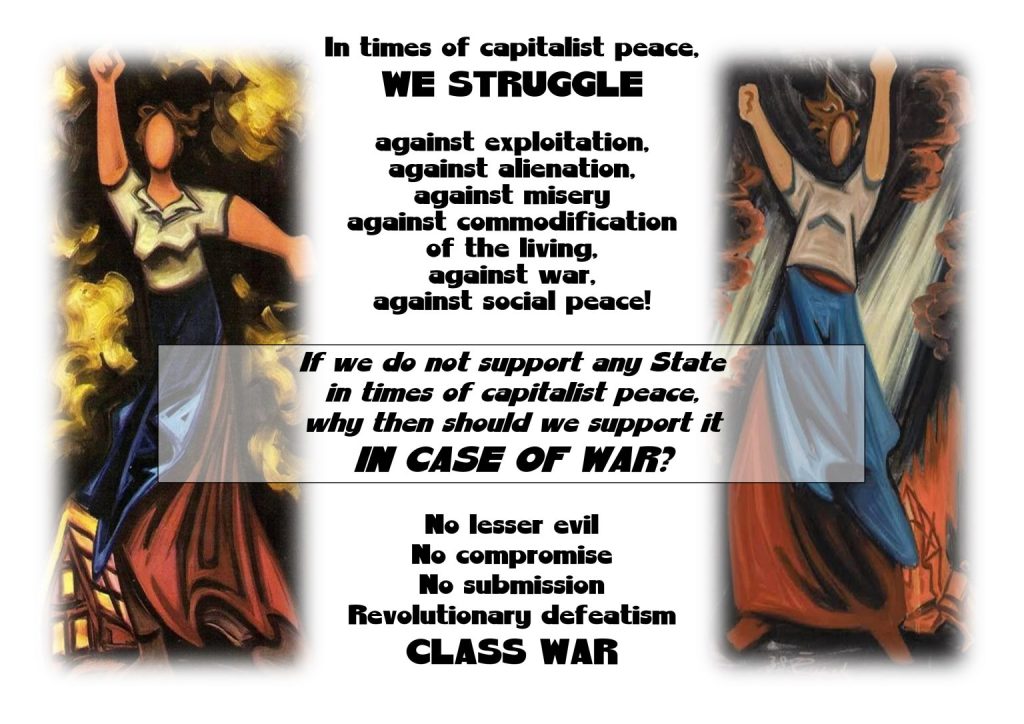
The aim of ‘revolutionary defeatists’ today is not that one side should win and the other lose but to draw a clear line between the capitalist perspective which entails ever more war and misery, and the proletarian revolutionary perspective, which entails humankind’s liberation. There is no compromise between them possible.
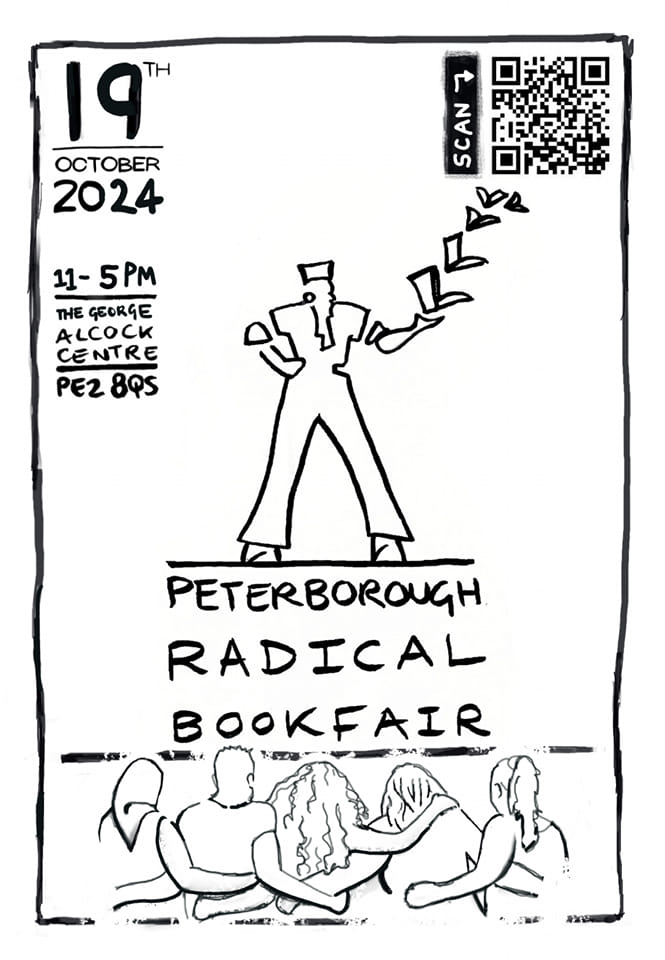
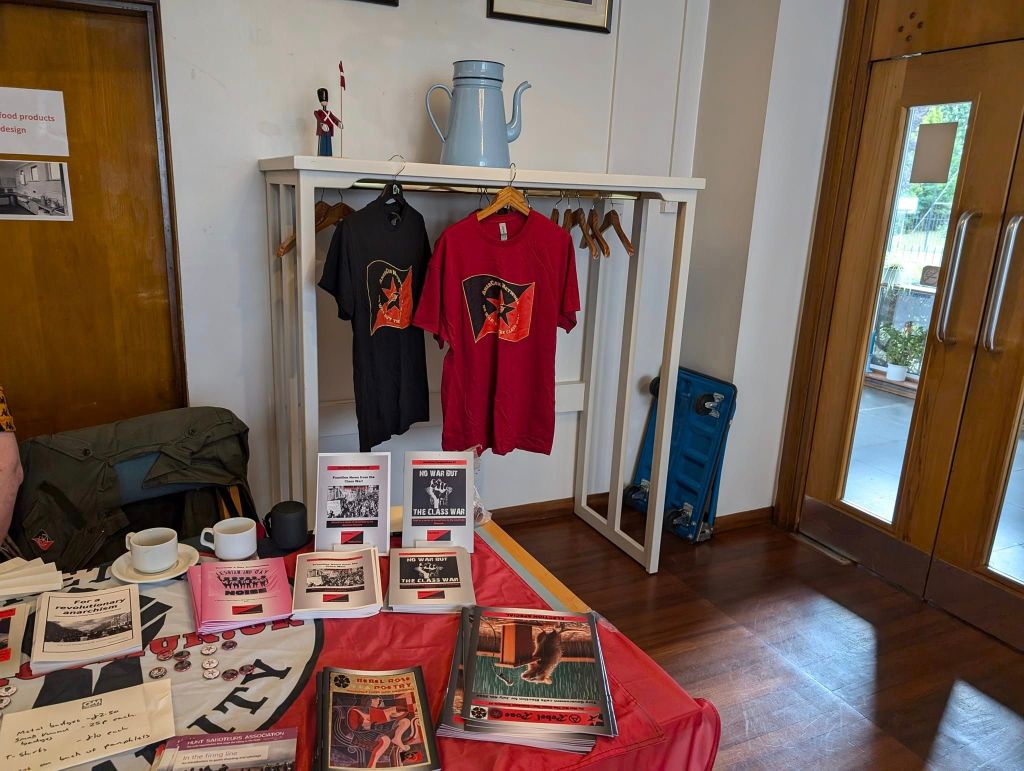
The second annual radical bookfair took place this Saturday at the Danish Church. It went ahead against a backdrop of far-right troubles across the country and a riot in Hull the previous Saturday.
The decision to go ahead was taken by the majority of the stall holders. At the same time as the bookfair there was a anti hate demo in Hull which we publicised.
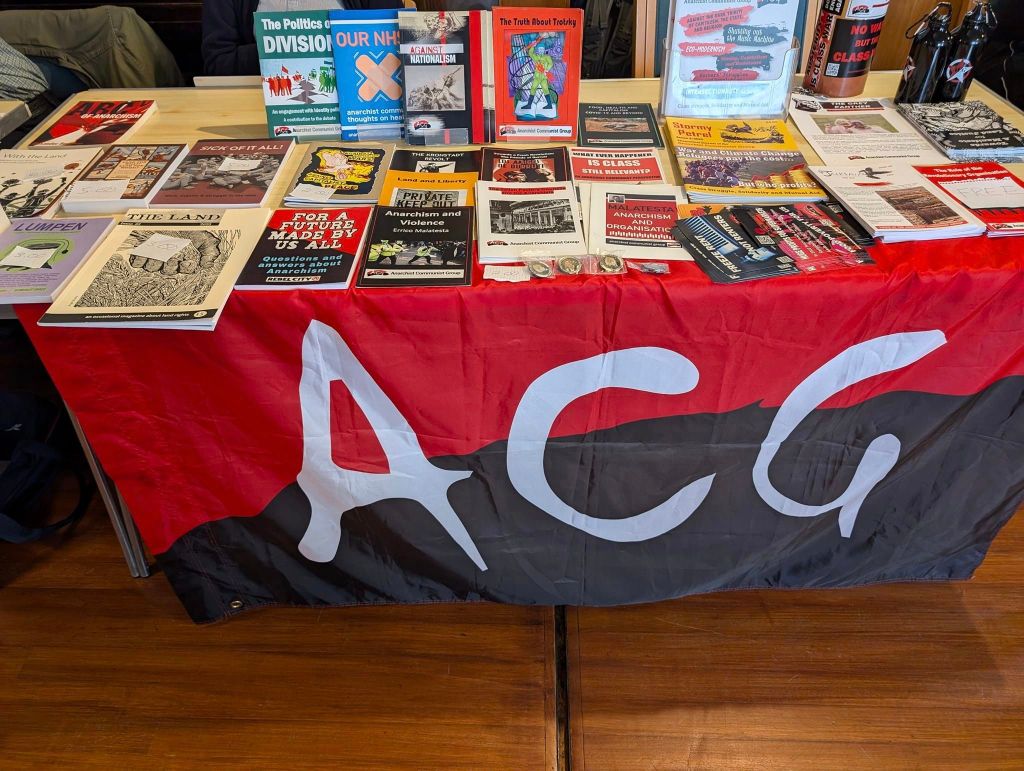
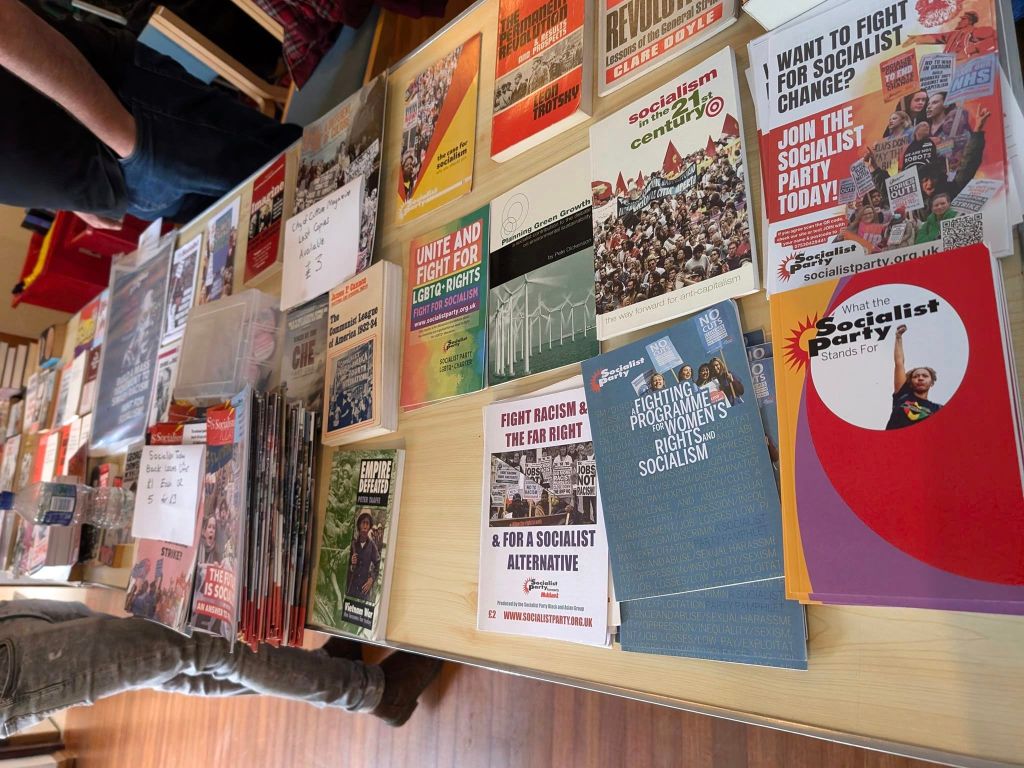
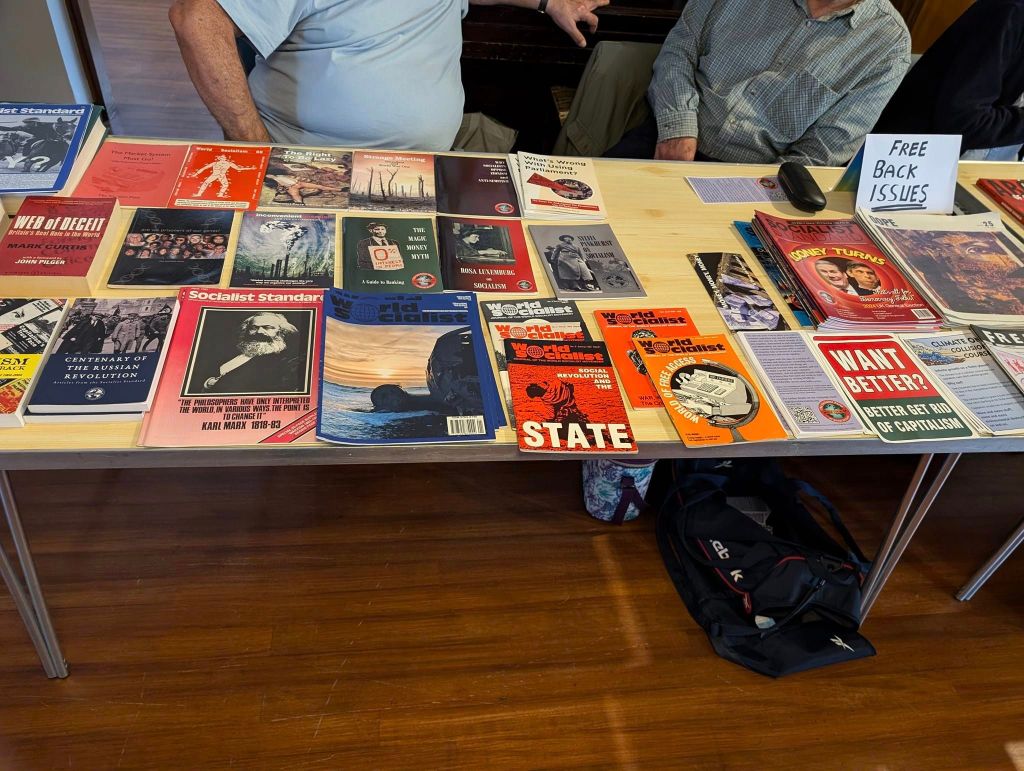
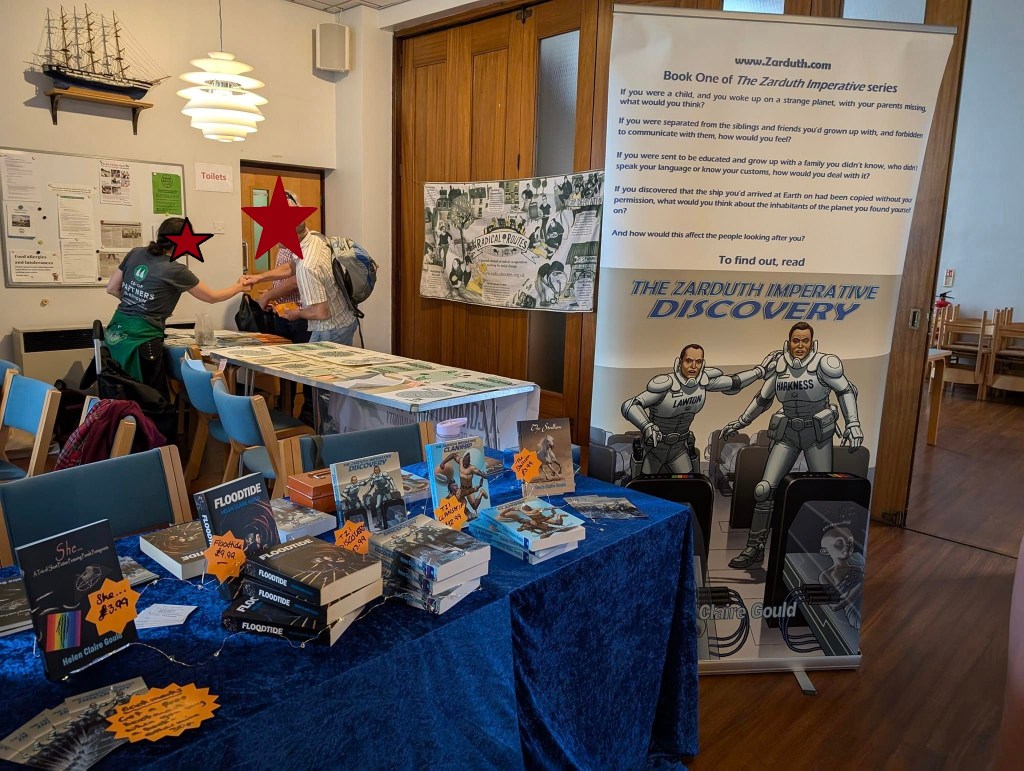
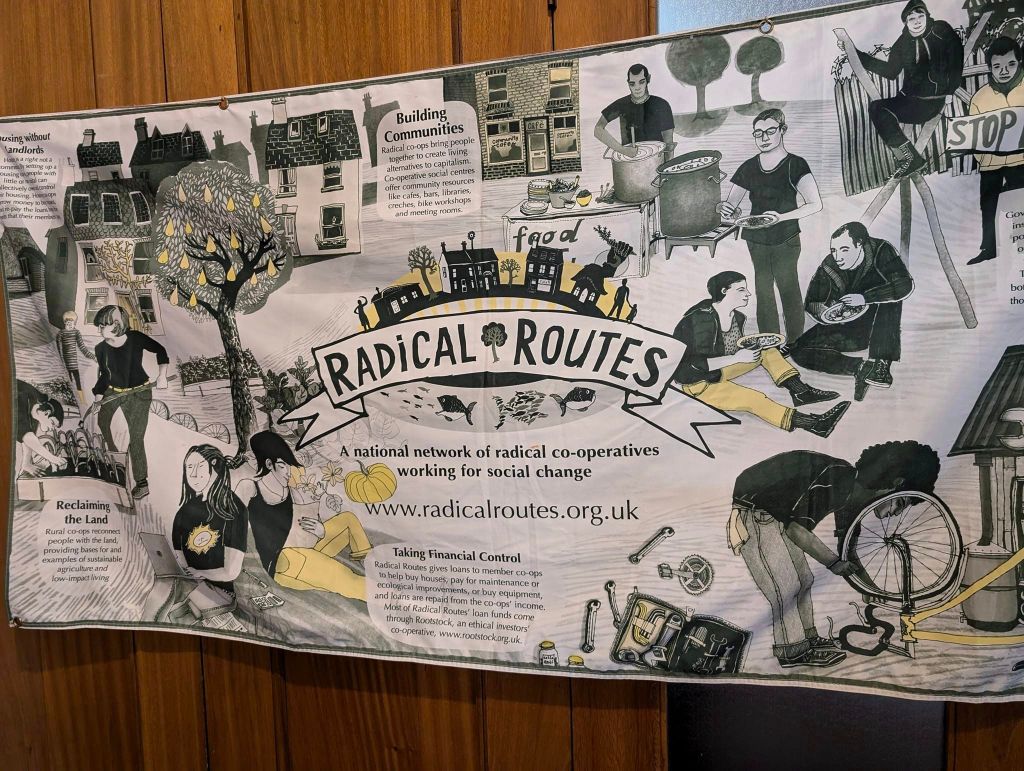
We had some stalls drop out and it was a smaller event with only 6 stalls along with a café area and a representative from Unite the Union Community Branch who was there to support us.
Stalls:
ACG:
Socialist Party:
World Socialism:
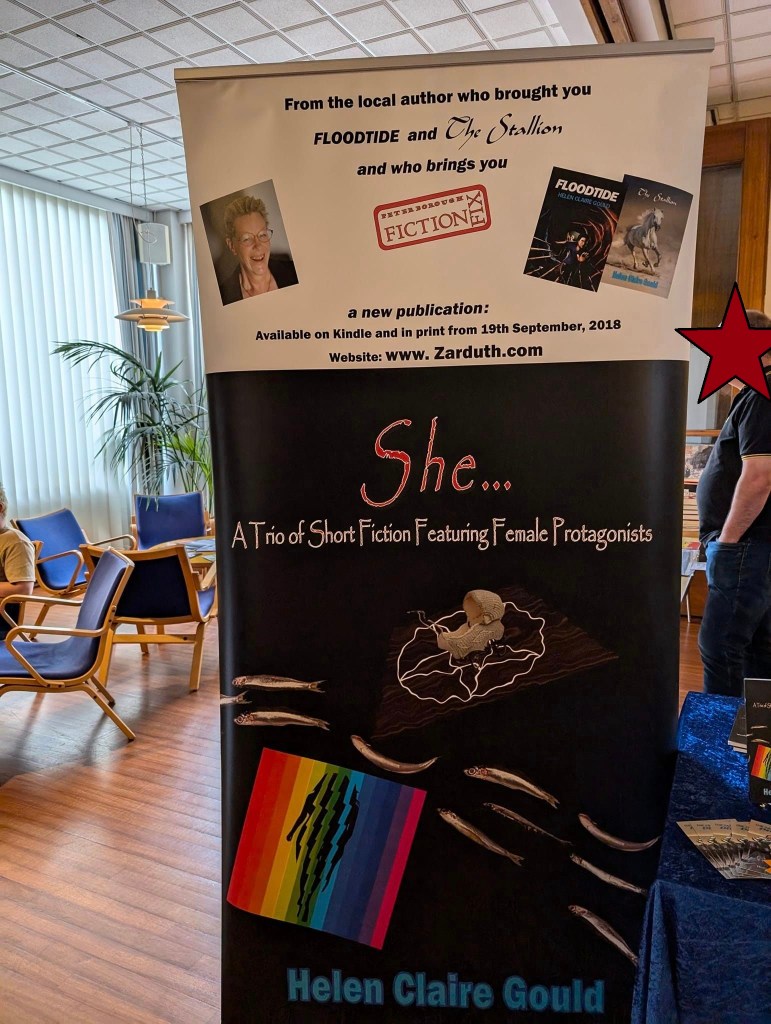
Claire Gould – Author
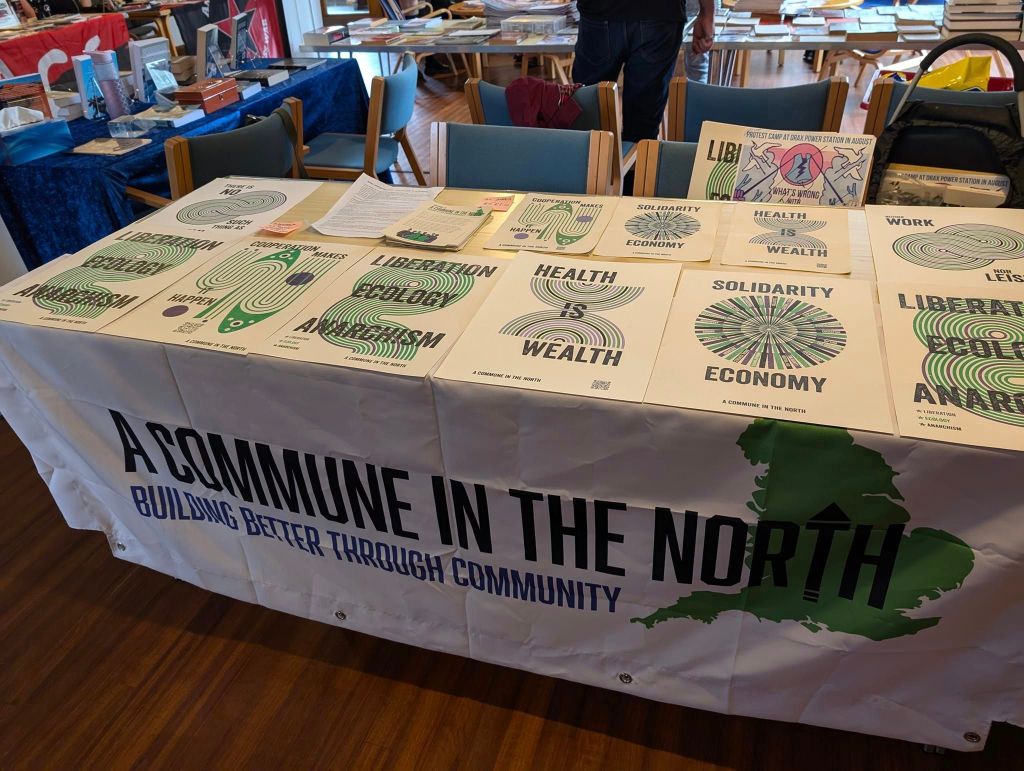
Commune in the North:
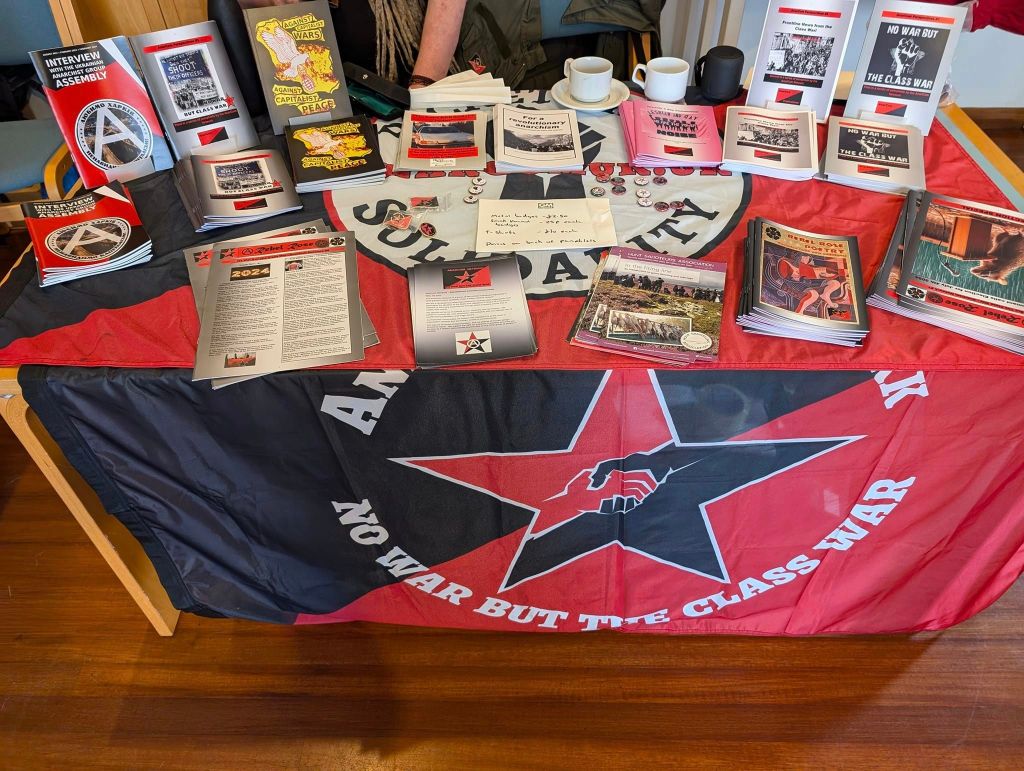
AnarCom Network
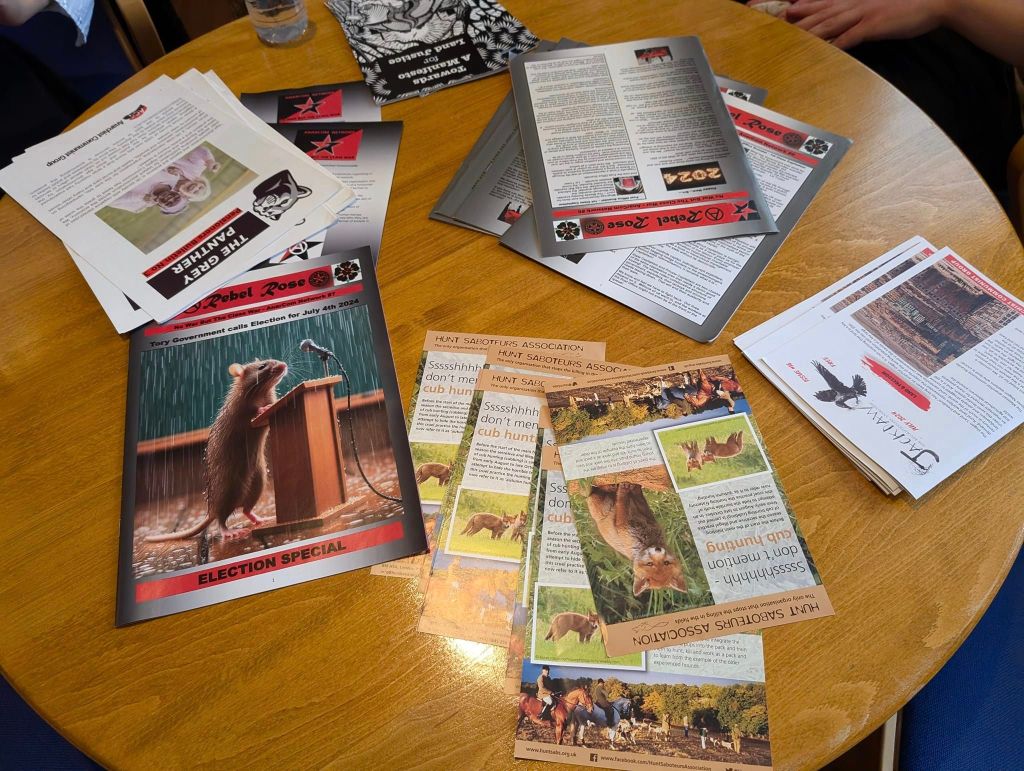
We had a few visitors (over 50 in total) and everyone seemed to enjoy the day making contacts and networking. There was an impromptu poetry reading led off by Claire and finished by our own comrade Grumpaloe who read a selection from our rereleased Rebel Rose Poetry.
Overall, another successful day and something we can build on.
See you next year when we will be back bigger and better.
The recent pogrom against perceived foreigners by the far right asserted its ‘legitimate’ concerns under the former government’s election slogan of “Stop The Boats!” This, the shameful legacy of the last Tory gamble.
Is its comparison with the Nazi ‘Kristalnacht’ against the Jews in Germany 1938 too far a stretch?
Families with children in shuttered shops being smoked out by mobs waiting outside with sticks; individuals beaten in the streets with paramilitary involvement; hotels set alight with blocked fire exits, high streets wrecked, shops shut, and graves defaced.
The numbers involved were only a fraction of those in the urban disturbances of August 2011. Then the eruption, triggered by the police shooting of an unarmed black man, was a reaction to poverty, austerity and arbitrary policing. That lasted five days. These racist riots nearly twice that, with only hundreds in place of the thousands arrested then. The priority of property before people is clear.
The recent mass acts of violence are made more disturbing because their enemy is the perceived foreigner and their targets people. People like us, other workers! In 2011, the targets were shops and the palaces of commodities by people who had nothing.
These events aren’t out of the blue. Governments of all shades have long sought to divide the working class and blame sections of it for the problems they created of low wages, austerity, poor housing and collapsing services.
Decades of demonisation and ‘othering’ reaching is crescendo from Brexit to now, with ‘take back control of the borders/country’ and ‘stop the boats’! Even one of the leading Tory leadership candidates has recently suggested a public profession of faith by Muslims should be an arrestable offence! (“Row over Tory MP’s Allahu Akbar arrest call” BBC 07/08/24). It’s not just the words that have been used by the state’s cronies. It is the treatment that has been meted out to too many migrants, people seeking refuge and asylum, that is increasingly portrayed as fair and consequently seen as acceptable by the public. The fiction of luxury hotels has hidden the barrack-like nature of accommodation supposed to last families for years. But there is worse, effectively camps of concentration.
The large-scale containment camp at Wethersfield in Essex is so overcrowded and under resourced that charities like Médecins Sans Frontières (MSF) and Doctors of the World (DOTW) are now diverting resources from sites of war, epidemic and natural disaster to provide healthcare to people seeking asylum here in the UK.
While the spark that lit this latest conflagration may well have been the misinformation spread about the suspect in the Southport atrocity, the fuel has been continuously heaped up by the mainstream media and politicians when they talk of immigration as a “problem”.
This is not a creation of social media, but also the usual suspects of the legacy press. The Mail, the Express and the Sun. Not just from populist politicians like Farage, Patel and Braverman, but also the now Prime Minister when as opposition leader he said there were “too many immigrants in the NHS”. The BBC has just amplified this when it constantly portrays migration, of whatever sort, as a “problem” to be “solved”.
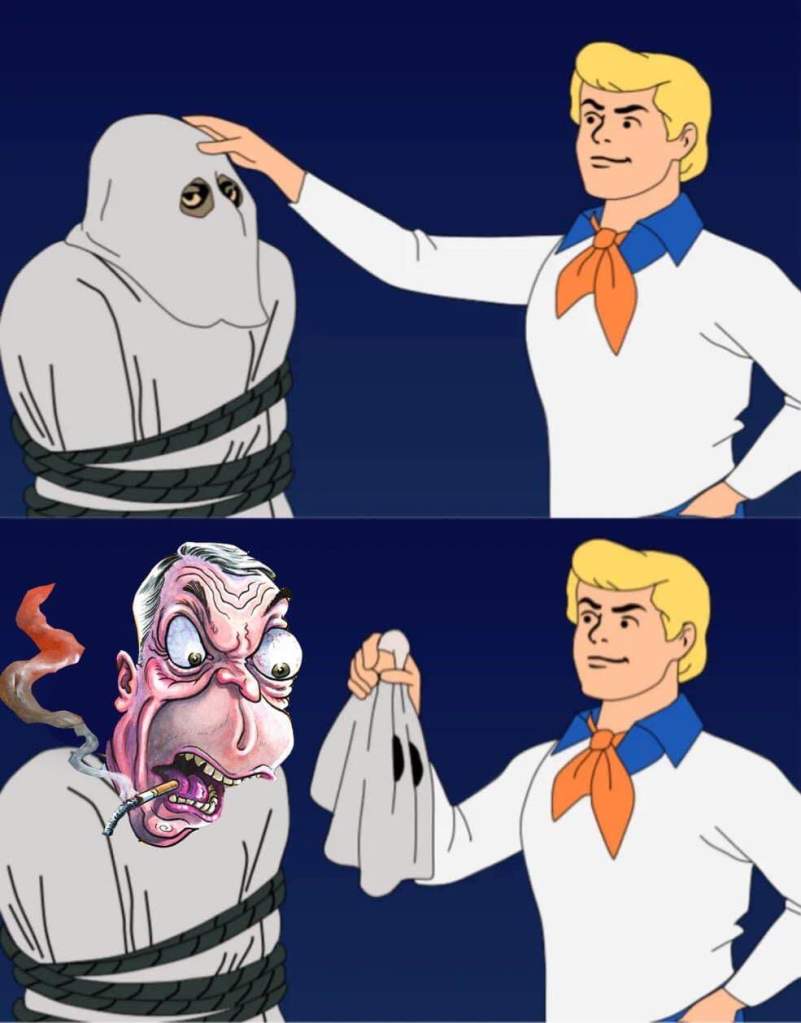
The recent election, distilling the right-wing hatred of the ruling party from the last decade, has produced an extreme parody of itself in Reform. This caricature of ‘democratic’ fascism, styling itself as the ‘Real Conservatives’, has linguistically weaponised these demonstrators as its paramilitary expression on the streets.
How have the fascists got away with it? They haven’t, they are still at it. They’ve never gone away. They have always been the ‘democratic’ states last resort against effective opposition to capitalist exploitation. Wheeled out whenever a ‘strategy of tension’ helps divide our class by fooling some into believing their interests ally with them.
The crisis of capitalism is everywhere around us, and we see it so much we virtually breathe it. War, environmental crisis, worsening mental and physical health, falling living standards, increasing crises in all the social consequences of this and the disappearance of the means of addressing them.
While crisis is in our living experience, so is the potential for its solutions. The last strike waves across the UK a year ago never reached the potential we all know they had, the potential to change something. What they did do was demonstrate that collective action can happen, as it did in the anti-racist rallies to oppose the fascist reaction recently.
Racism and poverty don’t end by good motives and verbal opposition. They end through solidarity and resistance. The social peace at home is disintegrating as our state representatives of capitalism fight their wars for profit abroad. Labour will be no different – their pronouncements on law and order will revisit us in the next wave of resistance to cuts and austerity.
The opposition to their peace at home does and must include our opposition to their armed adventurism abroad in search of profit.
To paraphrase the Dutch revolutionary Anton Pannekoek a century ago, our class is not weak because it’s divided, it is divided because it’s weak. The fascist assault on our communities is there to weaken us further. It is not a coincidence that this is happening in a time of war.
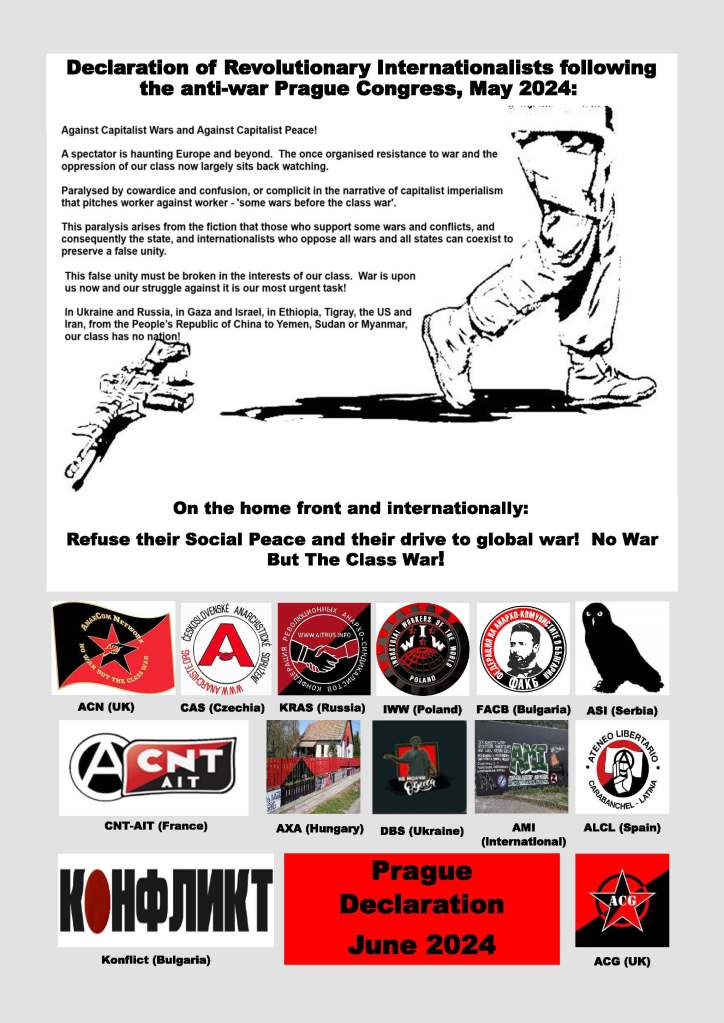
While the global capitalist system is dragging the world into ever more war and misery, those who refuse to take sides in these wars and fight to end the system that causes them, are still few and far between. So it is a promising sign that this summer several extended meetings of internationalist revolutionaries from many different countries were organized in Europe. in early June, on the last day of the anti-war congress in Prague, we agreed on the need of a short statement on capitalism and war that expresses our common positions and can serve as a base for further networking and common action. This statement was drafted after the congress ended. It was discussed, amended and approved at the internationalist meeting in Arezzo where the hope was expressed that it will be further discussed by the participants of the Prague congress and those who will gather in Poznan later this month.
AN INTERNATIONALIST STATEMENT ON CAPITALISM AND WAR
1. In our times, all wars are capitalist wars. While the specific circumstances in which they break out may be quite different, all are rooted in the capitalist system, which is based on competition and exploitation.
2. While imperialism has been a constant feature of capitalism since its beginning, the systemic crisis which capitalism faces today and the instability it engenders both push economic competition to military conflict and create opportunities to do so. This crisis will only deepen, making it inevitable that the continuing existence of capitalism would imply the prospect of generalizing wars.
3. The working class, the vast majority of humankind, has nothing to win and everything to lose in war. It is always its main victim. National defense and national liberation means fighting and dying for the interests of one faction of the capitalist class against another. It means killing (and being killed by) other working class people for the power and profit of the class that exploits and oppresses us.
4. We reject both nationalism and democracy, which are the principal ideological tools by which the capitalist class creates the illusion that its interests and those of the working class within its borders are the same, and by which it mobilizes for war and justifies the militarization of society.
5. There are no separate solutions for the many existential threats to humankind. A peaceful capitalism, a green capitalism, a socially just capitalism are all just pipe dreams to hide the growing horror that is real. War, ethnic cleansing, genocide, ecocide, climate disasters, pandemics, poverty, insecurity, forced migration, homelessness, stress and mental breakdown will continue to worsen, together with the crisis of capitalism which causes them all. Therefore there is but one solution to all of them: closing the capitalist chapter of human history.
6. We are not pacifists. We do not call for negotiations or UN interventions, parliamentary resolutions, disinvestments, etc. We do not appeal to the ruling class to act “reasonably”, because we understand that it can’t. Instead we count on autonomous, class based resistance to capitalism. The global working class is the only social force capable of ending capitalism and establishing a human community based on the fulfillment of needs instead of the compulsion of making profit.
7. But it has a long way to go. Its struggle cannot be merely economic, it has to be political as well and confront the state. It has to refuse to submit to capitalism’s war drive. We support proletarians on both sides of any war who refuse to fight, who desert, who fraternize instead of killing each other. We support sabotage of the war machine and collective resistance against conscription, mobilization and the militarization of society.
8. But the oxygen on which the war-machine depends is the exploitation of the proletariat, the extraction of surplus value. It would be paralyzed without it. So war can’t be stopped without ending exploitation. Furthermore, to make room for the war efforts, the ruling class has to attack the social wage, impose austerity. In fighting against it, workers fight against the war, consciously or not. The more they wage this fight autonomously, without any collaboration with the capitalist class and its state, the more it can blossom into a struggle against exploitation, a revolution which puts an end to capitalism, to its wars and its miserable ‘peace’.
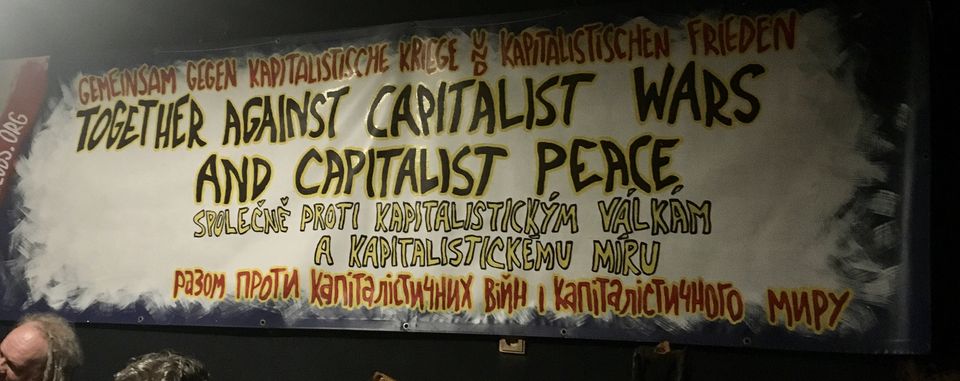
“Together Against Capitalist Wars and Against Capitalist Peace!”
To the comrades of ‘Beach Communism’ assembled in Poznan, Poland, 8th-14th July. Internationalist greetings and love, fun and solidarity! A year since Varna and over 2 years since the bloody ignition of war along the fault line of nuclear imperialism! We hope for and need your decisive class commitment to revolutionary internationalist opposition to all capitalist war, and all partisan combatant forces. We look forward to moving beyond the conciliatory ambivalence of Varna to a decisive choice of internationalist realignment. Procrastination is the thief of time and time is not on our side!
No war between peoples no peace between classes – No War But The Class War!
Taken from a recent reprint by Tyneside Anarchist Archive
The following piece is from the rather excellent ‘TYNESIDE SYNDICALIST‘ No 15 June/July 1987 and was written in the face of yet another looming general election fiasco, quite apt with the current farce in our faces yet again…enjoy, like, care, give a share….
“As we approach another General Election the media circus is regurgitating the usual sickening clichés and nonsense about the difference it will all make. We are not going to go along with this by criticising the parties, policies or manifestos. Instead, we prefer to question the whole idea of parliamentary democracy, and to broaden the argument by talking about the underlying issues of authority, power and control.
Our system of government is geared to fitting in with the needs of capitalism. The small differences there are between the major parties concern how best to accommodate to the quest for profit of the multinationals and financial institutions. As voters we are presented with apparent choices of style, but we have no realistic opportunity to reject the whole sordid assumptions and practices of capitalism. So, our power to wield our votes to change things is mainly an illusion.
But that’s not all. The structure of any political party means that we are made even more passive by supporting or joining it. Parties consist of massive overbearing hierarchies where even straightforward and sensible change is virtually impossible to achieve unless the leadership already desire it. Changes that would imply removing control from the top obviously get nowhere.
Some people enter the party hierarchy with the intention of improving things from within. They very quickly get swallowed up by the dead weight of bureaucracy and neutralised by the control of those at the top, and it’s irrelevant how much support from the base they have.
The only other alternative is to get to the top themselves, but by the time they’ve managed it, the distortions and perverting effects of the hierarchy have inevitably taken their toll – so that the old status quo is now accepted. We can see this very clearly in one-time radical labour politicians or broad-left trade union officials who become more and more reactionary as they climb the ladder and leave the base behind. Meanwhile those at the bottom are left passive and powerless, and maybe worse off because of the time and effort wasted on keeping the faith in a “better leadership”.
Clearly this type of analysis applies to supposedly revolutionary parties and to trade unions just as much as to the big parties. If decision making isn’t placed squarely at the base, then the mass of ordinary member’s maybe active, but only in doing what they are told, what is permissible, and they are in no position at all to challenge the status quo. These days most organisations involving politics make a big show of internal democracy, but when it comes down to it those at the top have to agree before anything gets done.
But we have to take the analysis a bit further than this. Most people seem fully aware that they have no control, but still manage to muster up enough motivation to support the big parties and to make no effort to challenge bureaucratic and authoritarian control. We can present alternatives to hierarchies and powerless membership – in this paper we consistently offer ideas and examples of rank-and-file control, assembly – based decision making, mandated and re-callable delegates and so on. Such ideas are acceptable; people agree that they would be better. But there’s a tendency to say, “it won’t work” (even when given cast iron evidence of it working), and to not really want or be able to apply the ideas in their own real lives. It looks as though people feel more comfortable being passive, don’t want the bother of being responsible, in fact desire to be dominated. Why is this?
‘The desire to be dominated’
People aren’t completely logical; we all behave irrationally quite a lot of the time. So while working class people want freedom, struggle to make our lives better and recognise the injustices of society, other parts of us also desire to be controlled to let others make our decisions for us. That is why it is possible for Thatcher to attract so many of our votes. All of the other parties have massive blind spots to the problems of power and authority too and can’t afford to examine these areas because it would expose their own (equally large) shortcomings.
In this society virtually all of our lives are lived under the shadow of forms of authority that are completely out of our control. It is built into us to be subservient. It’s a difficult pattern to break down, but the best path is in active struggle. Real lived experience of battling against authority begins to give us confidence in our own collective power.
Experience of the double-dealing, betrayal and manipulation of politicians and trade union officials clinging onto their positions in the hierarchy tests our faith in their influence, whilst we know we can trust one another. So, rank and file control is not enough – we need also to be conscious of why we need it. Because otherwise we will find ourselves trusting the next plausible dominator who comes along, and the gains of our experience of collective self-control will be lost.”